Homepage
Bisherige Arbeiten/ Partnerdarstellung:
Die ERC ist einer der führenden Hersteller von Additiven für fossile und biogene Kraft- und Brennstoffe in Europa.
Die ERC Gruppe ist spezialisiert auf die Entwicklung, Herstellung, Vertrieb und Anwendungstechnik von Additiven zur Verbrennungsverbesserung, Emissionsreduzierung und Korrosionsverhütung. Hierzu zählt sowohl die motorische, als auch die atmosphärische Verbrennung.
Darüber hinaus beschäftigt sich die ERC Gruppe auch mit dem Anlagenbau (z.B. Brenner, Steuersysteme, Dosiersysteme) im Bereich der industriellen Energiegewinnung. Die ERC stellt für die Additive die unterschiedlichsten anlagenspezifischen Dosiersysteme her, ist aber auch für namhafte externe Auftraggeber im Bereich der Steuerungs- und Regeltechnik in Förder-, Kälte- und Klimaanlagen tätig. Außerdem zählen eigene Vertriebsgesellschaften in Polen, in der Tschechischen Republik und in Indien zur ERC Gruppe.
Die ERC verfügt über langjährige Erfahrungen auf den Gebieten der Verbrennungsoptimierung und Emissionsreduzierung. ERC Produkte tragen dazu bei, den Wirkungsgrad zu steigern, Energie einzusparen und die durch Emissionen verursachte Umwelt-Belastung zu mindern.
Die ERC ist und war neben ihrer allgemeinen Forschung und Erfahrungen auf dem Feld der Injektorablagerungen (äußere und innere) an drei der bedeutendsten deutschen Forschungsprojekte zu diesem Thema beteiligt.
ERC hat an verschiedenen regionalen und internationalen Forschungsprojekten mitgearbeitet. Als Mitglied von Forschungskonsortien war sie u.a. an den Europäischen Projekten „BIOAEROSOLS“, „FBCOBIOW“ sowie einigen nationalen Forschungsvorhaben aktiv (z.B. über AIF, FNR, PtJ, FVV).
Die ERC hat zwei von der AiF geförderte Forschungsprojekte in Kooperation mit der Technischen Universität Dresden durchgeführt. Im ersten Projekt Opti-Link wurde ein Produkt geschaffen, mit dem der NOx-Rohgasgehalt im Rauchgas einer Abfallverbrennungsanlage online vorauszuberechnen ist. Im Projekt SNCR 4.0 wurde eine Plattform entwickelt. An diese sind mehrere ebenfalls erarbeitete Module angeschlossen. So wurden die Daten aus einer Abfallverwertungsanlage zentriert und so ausgewertet, dass sich hinsichtlich der Entstickung der Rauchgase eine optimale Operationsweise der Gesamtanlage vorschlagen lässt.
Über die aktiven Verbandstätigkeiten bei der UNITI, der DGMK, der FVV, dem BDH sowie in verschiedenen Arbeitskreisen des DIN ist ERC fachlich und politisch breit vernetzt und verfügt hierdurch über breite anwendungstechnische und gesellschaftspolitische Kenntnisse.
Aktuell ist die ERC an Projekten zu den nachhaltigen und regenerativen Energieträgern beteiligt: dies sind SAVEbio und Kopernikus P2X.
In einem weiteren durch PTJ geförderten Projekt „FlexiFuels“ werden durch ERC Additivierungsstrategien der Marinekraftstoffe untersucht mit dem Ziel die Inkompatibilitäten und schädliche Auswirkungen vorherzusagen und zu vorbeugen.
Motivation /Beteiligung der Firma ERC Additiv GmbH im Projekt/ Wissenschaftliche und/ oder technische Verwertbarkeit:
Die Umwandlung von regenerativ erzeugtem Strom in stoffliche Energieträger oder chemische Produkte eröffnet die Möglichkeit, energetisch und wirtschaftlich höherwertige Produkte über neue Verwertungsketten mit reduziertem „CO2 footprint“ zu erzeugen. Die potenziellen ökologischen und ökonomischen Vorteile sind dabei nicht auf den energetischen Sektor beschränkt, sondern bieten Chancen in einer Vielzahl von Märkten, die für den Wirtschafts-standort und die Exportnation Deutschland essenzielle Bedeutung haben.
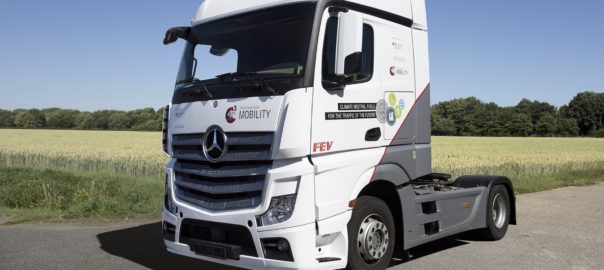
Die in dem Clusterprojekt C³-Mobility adressierten Technologien sind dabei so ausgelegt, dass sie zu Vorteilen gegenüber dem Stand der Technik führen, die nicht alleine aus der Verwendung von „Überschussstrom“ resultieren.
Die wissenschaftlich-technischen und wirtschaftlichen Erfolgsaussichten des Forschungsvorhabens werden aufgrund der ausgewiesenen Kompetenzen des Konsortiums, bestehend aus Universitäten, Großforschungseinrichtungen, Industrieunternehmen, Verbänden und Organisationen, als sehr hoch eingeschätzt. Um Synergien zu nutzen und Doppelung von Aktivitäten zu vermeiden, sollen aktuelle und während der Projektlaufzeit hinzukommende Aktivitäten im nationalen Umfeld als assoziierte Projekte (AP) in den Entwicklungsprozess eingebunden werden.
Die erzielten Forschungsergebnisse sollen in Form von Artikeln in wissenschaftlichen Fachzeitschriften und als Konferenzbeiträge dem Fachpublikum öffentlich zugänglich gemacht werden.
Wirtschaftliche Verwertbarkeit:
Ein entsprechend formuliertes Additiv kann dabei helfen, die Vermarktungs- und Verwendungs-chancen von alternativen Kraftstoffen im Markt zu verbessern und damit umgekehrt auch ein entsprechendes Produktionsvolumen für das Additiv generieren.
Im Moment kann man zur wirtschaftlichen Verwertung keine Aussage treffen, da das Volumen und die Nachfrage nach den alternativen Kraftstoffen noch sehr gering sind. Dies liegt unter anderem dadurch begründet, dass sich der Einsatz von den „Future Fuels“ in den Verbrennungsmotoren als risikobehaftet rausgestellt hat.
Des Weiteren ist der Erkenntnisgewinn über die Spezifik der zu untersuchenden Kraftstoffe (Polarität, komplett neue Wertenbereiche der physiko-chemischen Eigenschaften), deren Potential zu schädlichen Auswirkungen auf den Motor und Kraftstoffsystem (Korrosion, Stabilität, Schmierung, Zersetzung, Polymermaterialverträglichkeit) wird als erfolgsbringend gesehen. Dies begründet das aktive Interesse und die Beteiligung der ERC GmbH als eines zukunftsorientierten Unternehmens an dem Projekt „C³-Mobility“.